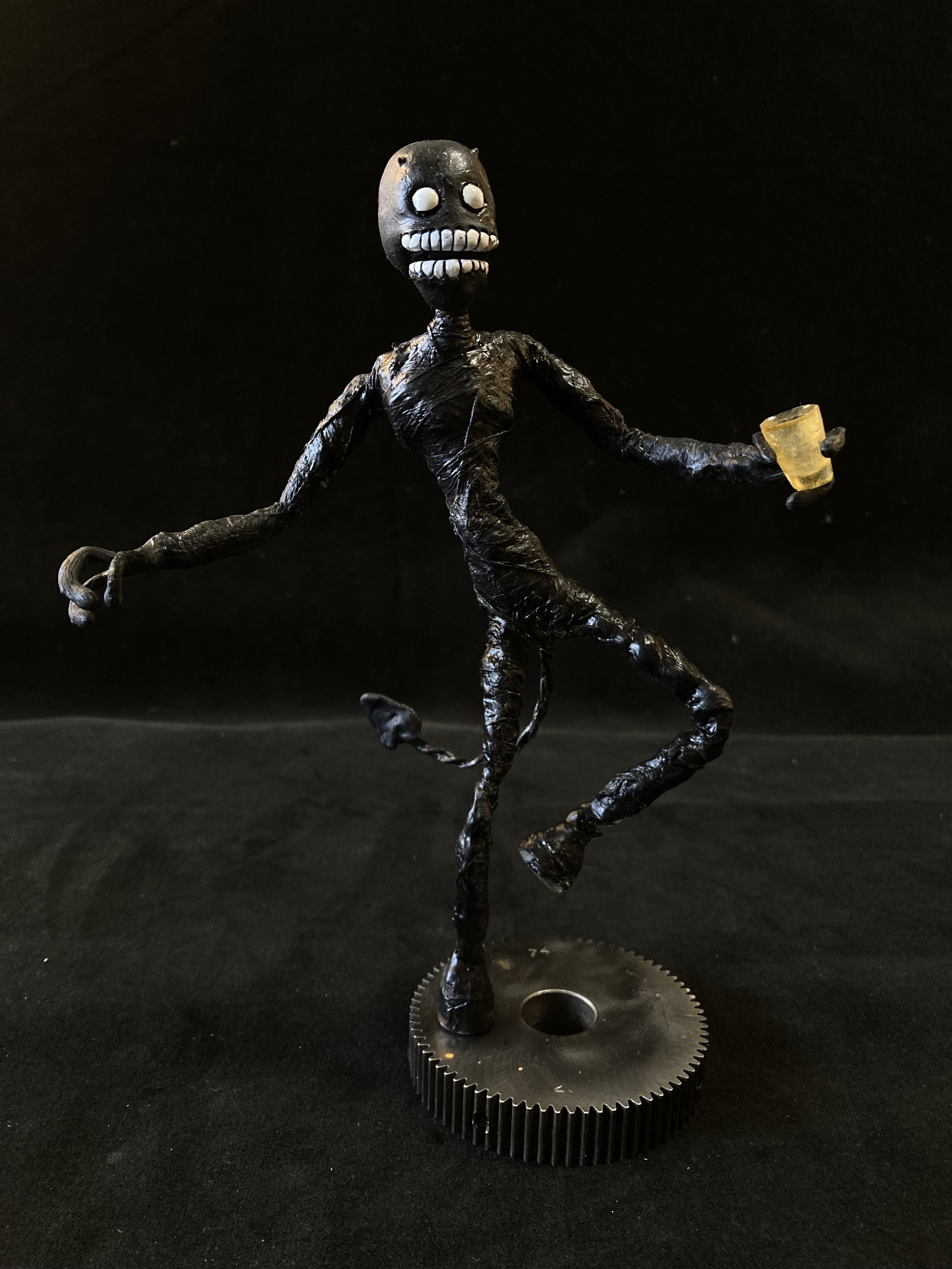
STOP MOTION ANIMATION
In 2012, I was bitten by the stop motion bug - I signed up for a class taught by Will Vinton at the Northwest Film Center. Afterward, I was hooked. I got a little bit ambitious and shot my own short film. It took hundreds of hours to build sets, fabricate puppets, figure out lighting, shoot and edit, create sound design, write and record music, learn new software, and more. Though there’s plenty of room for improvement, I gained a lot of know-how and problem-solving experience, and came away with something I feel pretty good about.
Purgatory Lounge (Below) is the result of that deep dive.

Purgatory Lounge - 2015
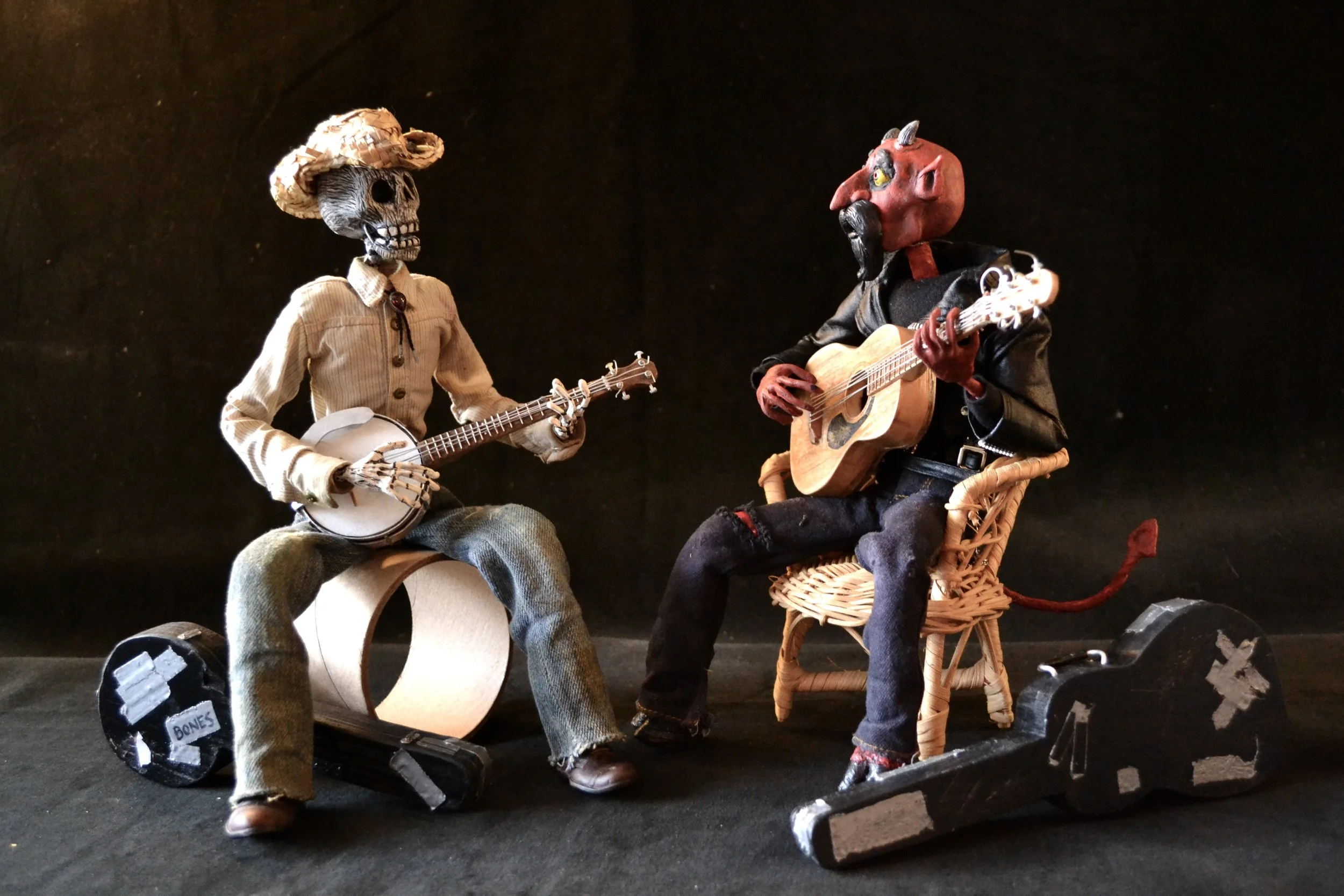
PUPPETS
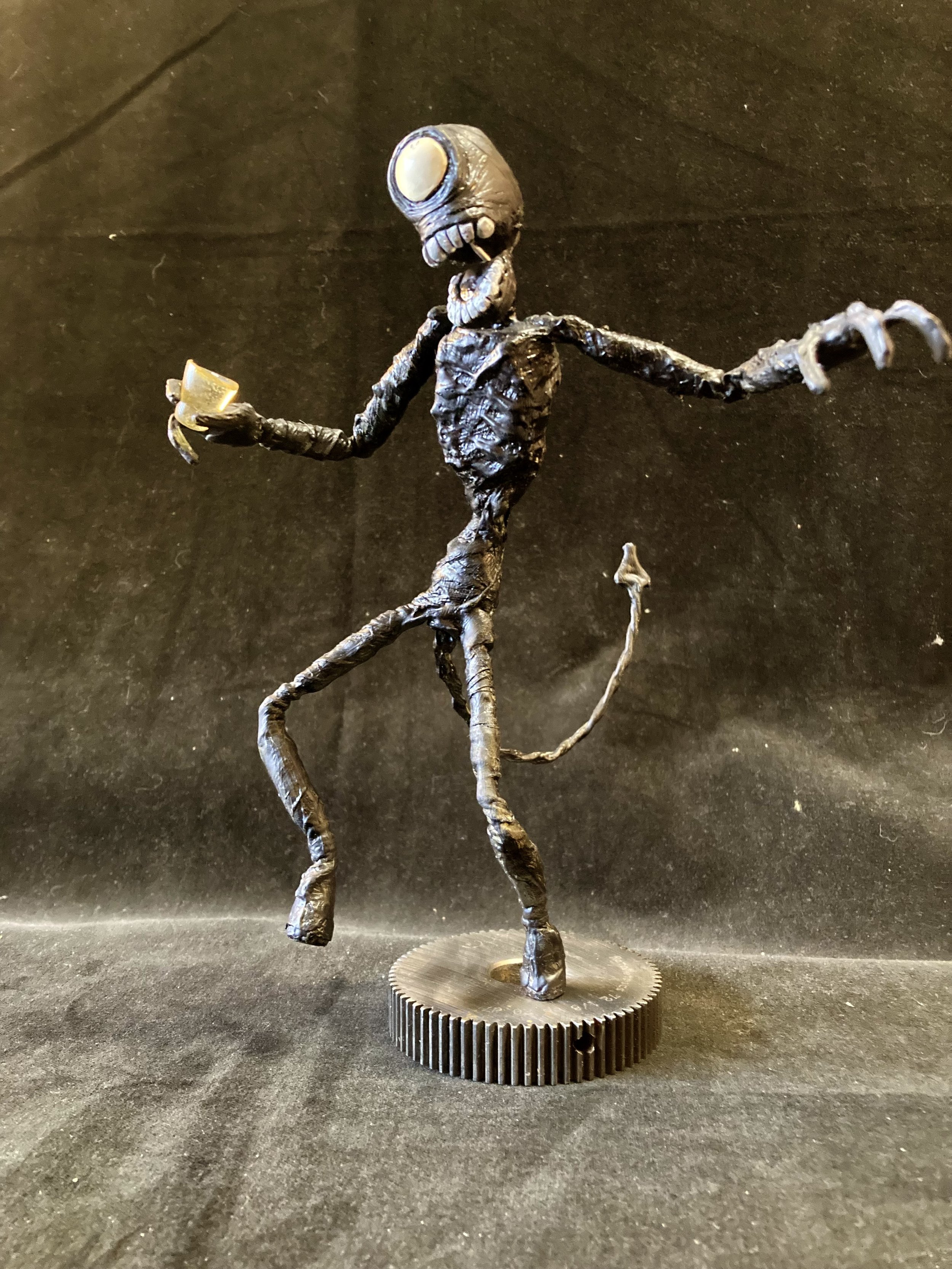
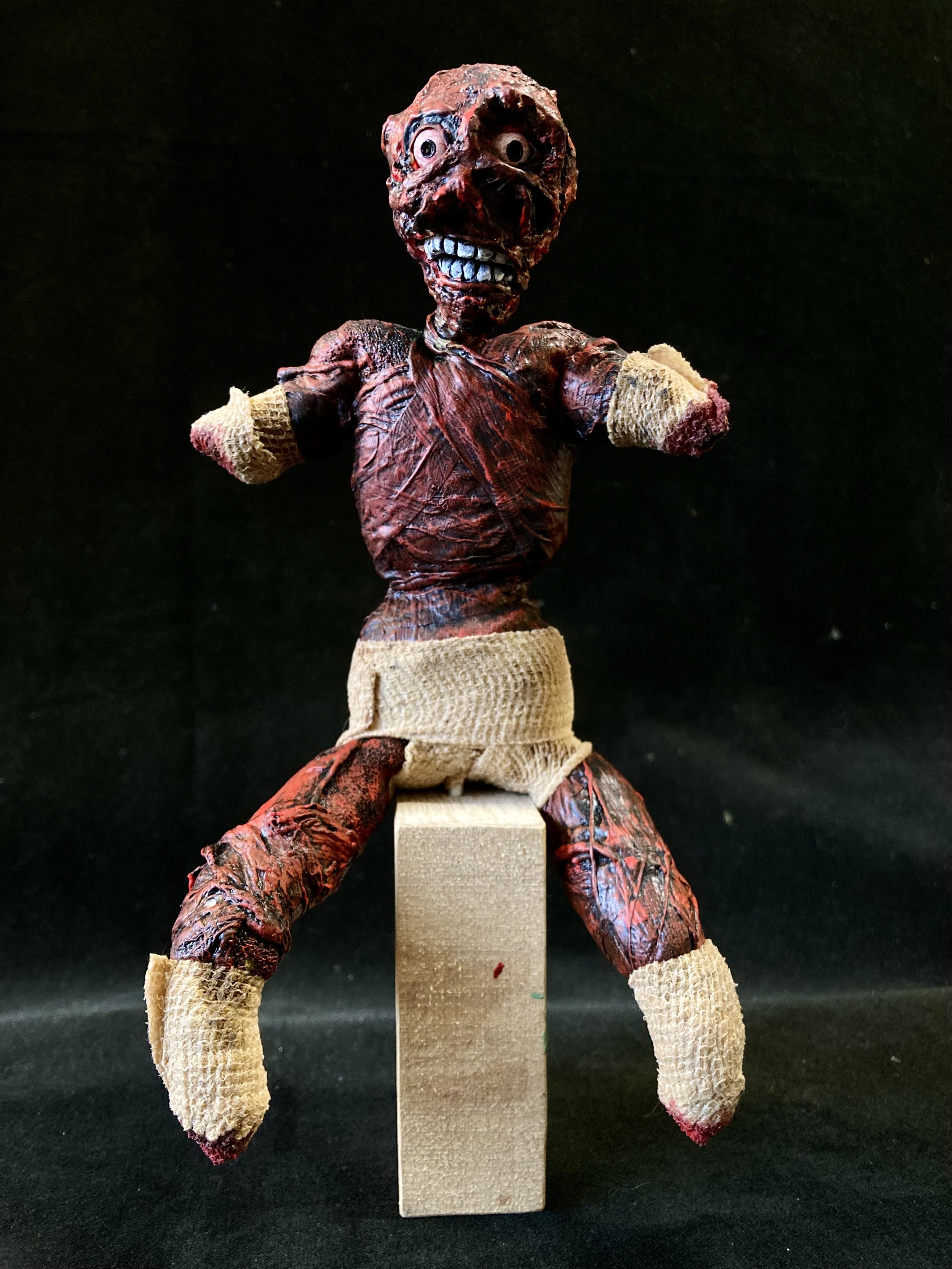
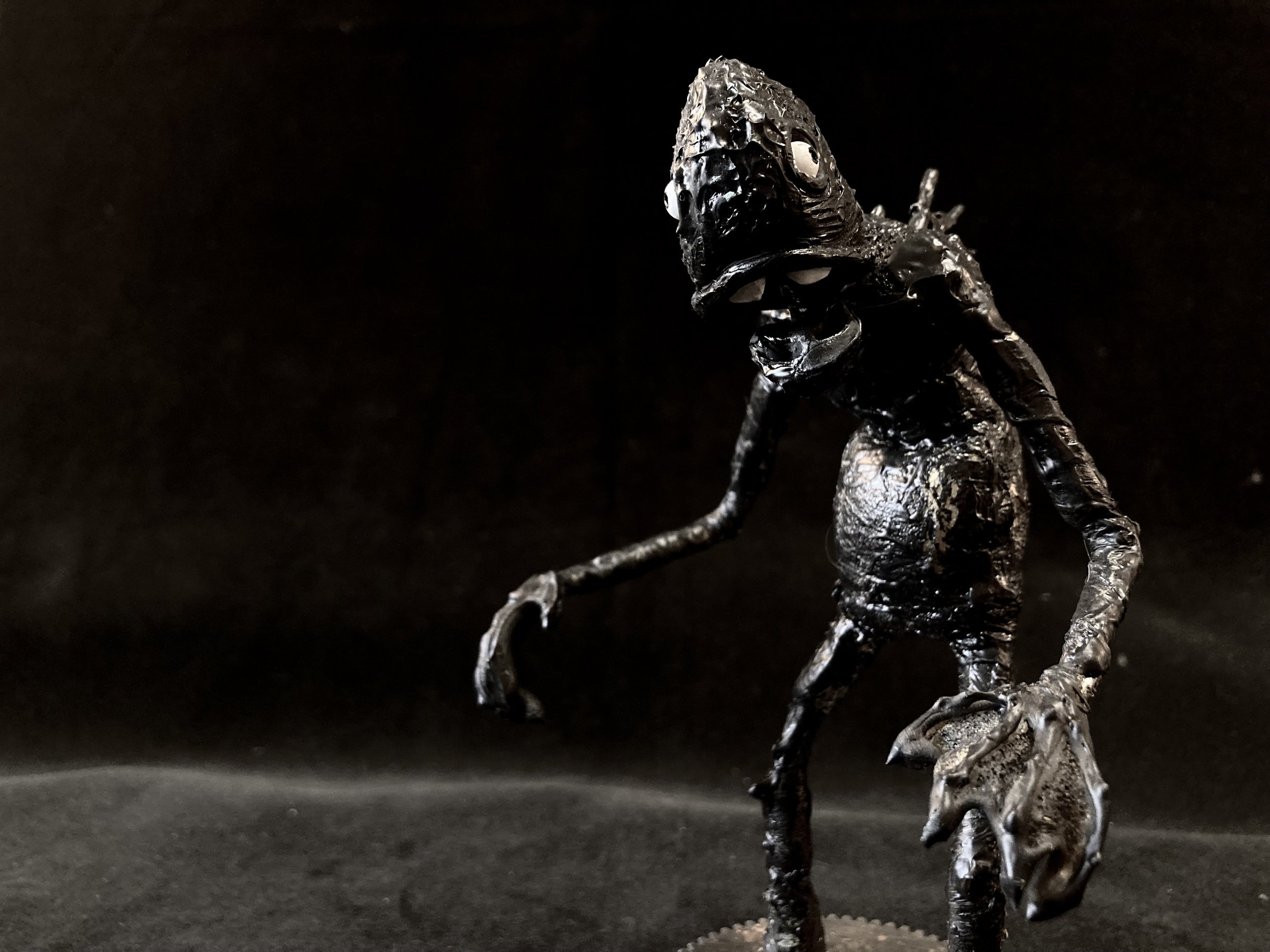
The stars of the show!
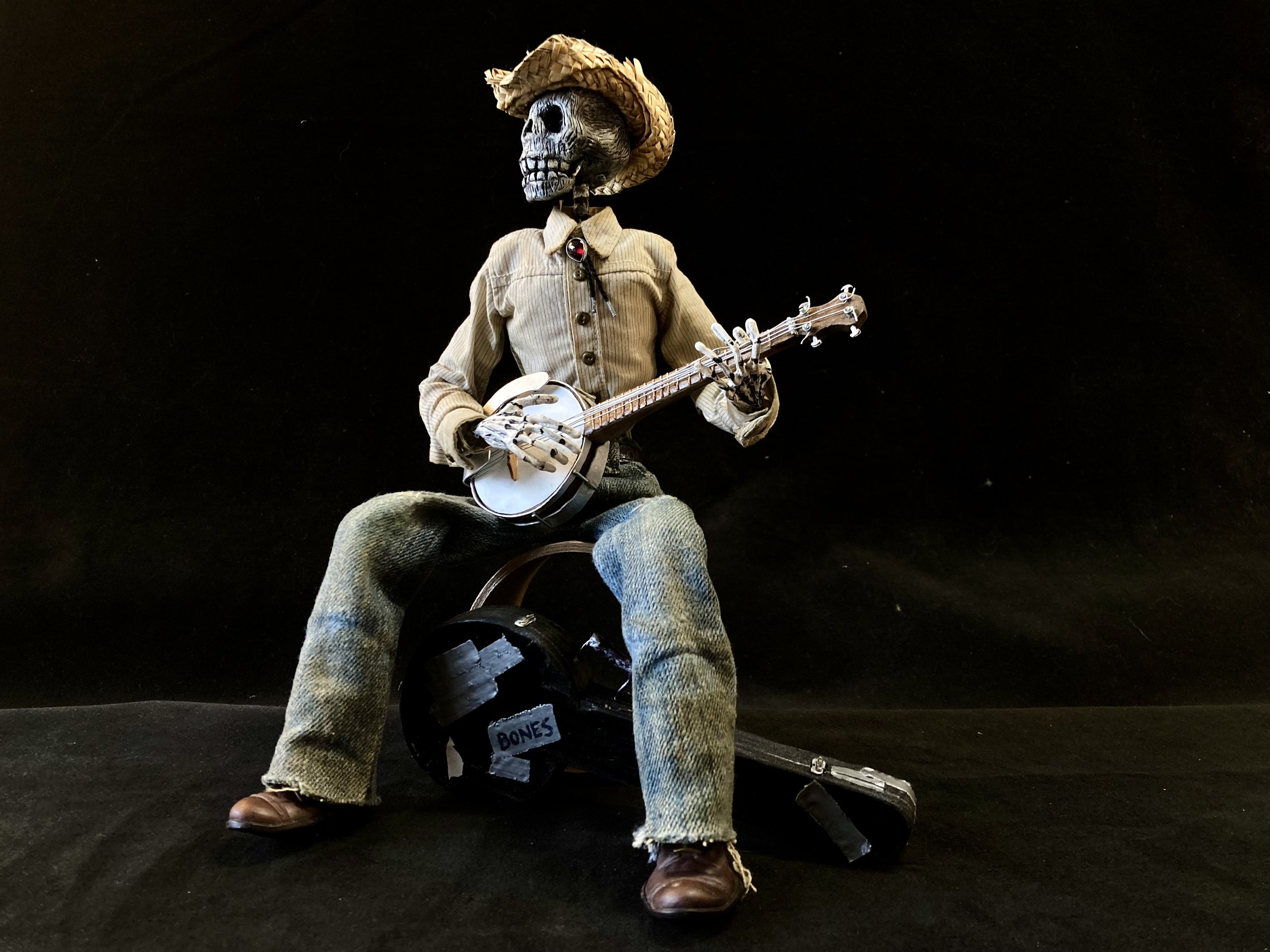
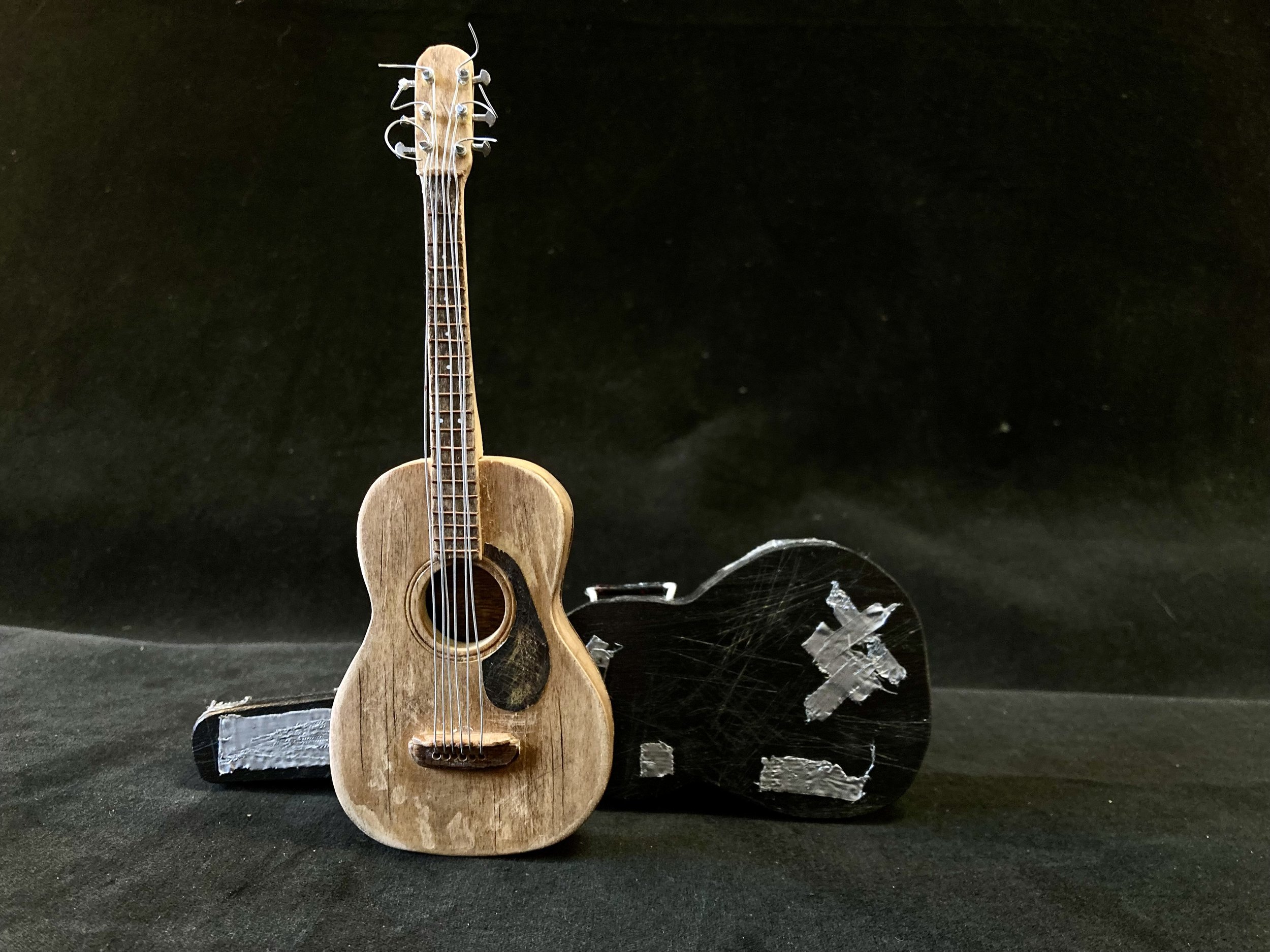
These versatile little actors bend, twist, and emote just the way I need to bring a story to life. They sing, they dance, they play a mean country song. Without them, there’s no movie.
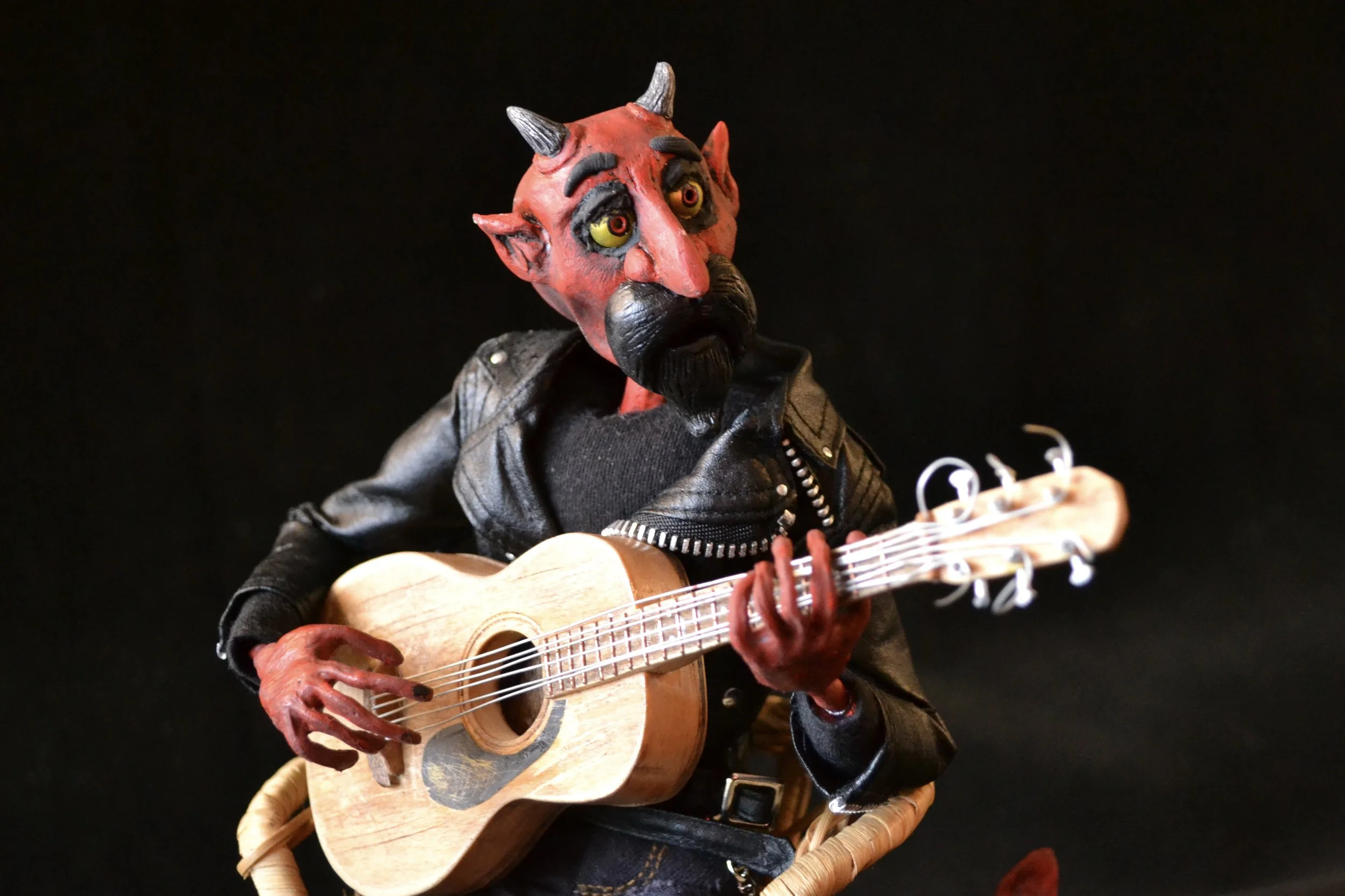
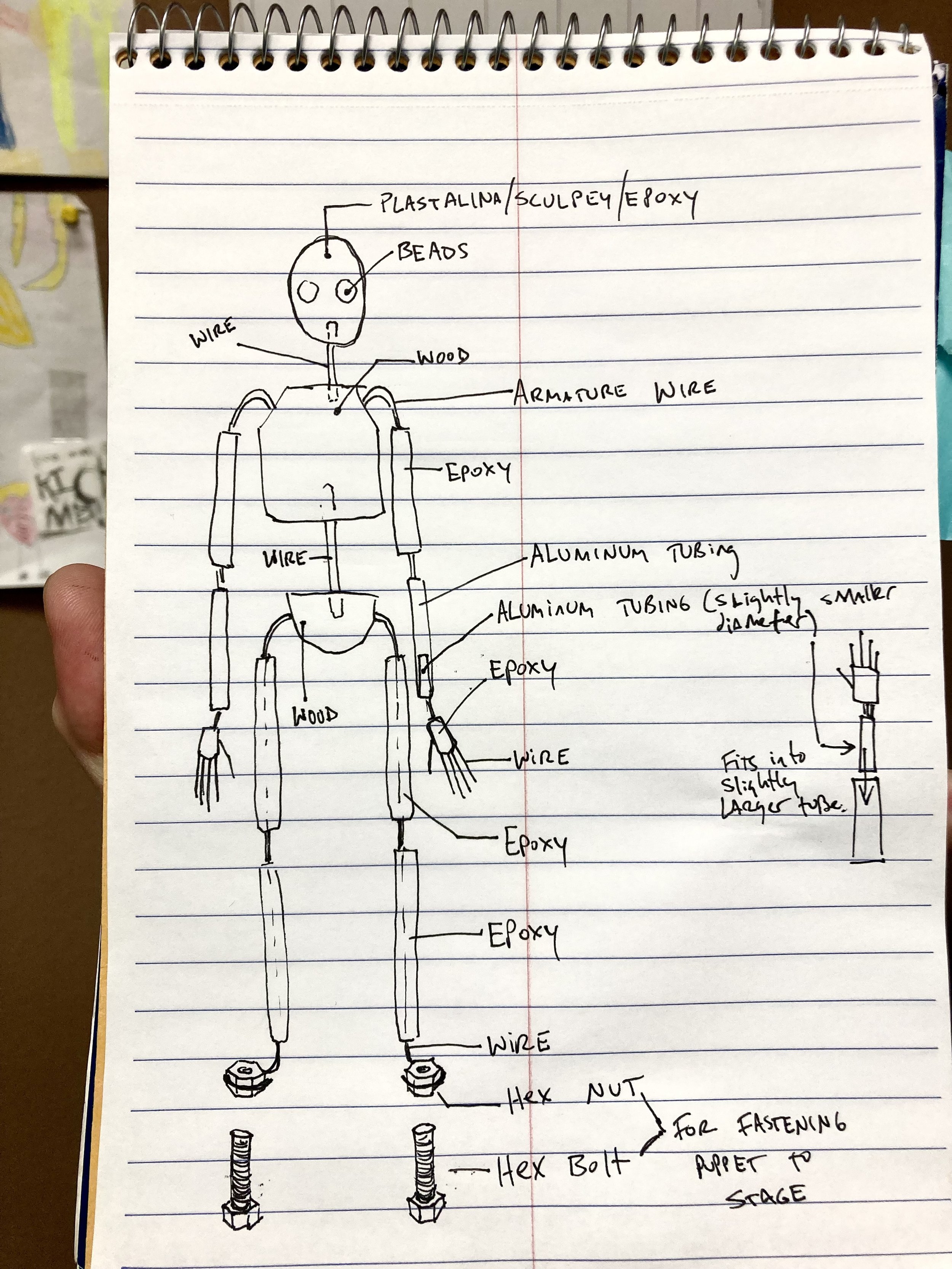
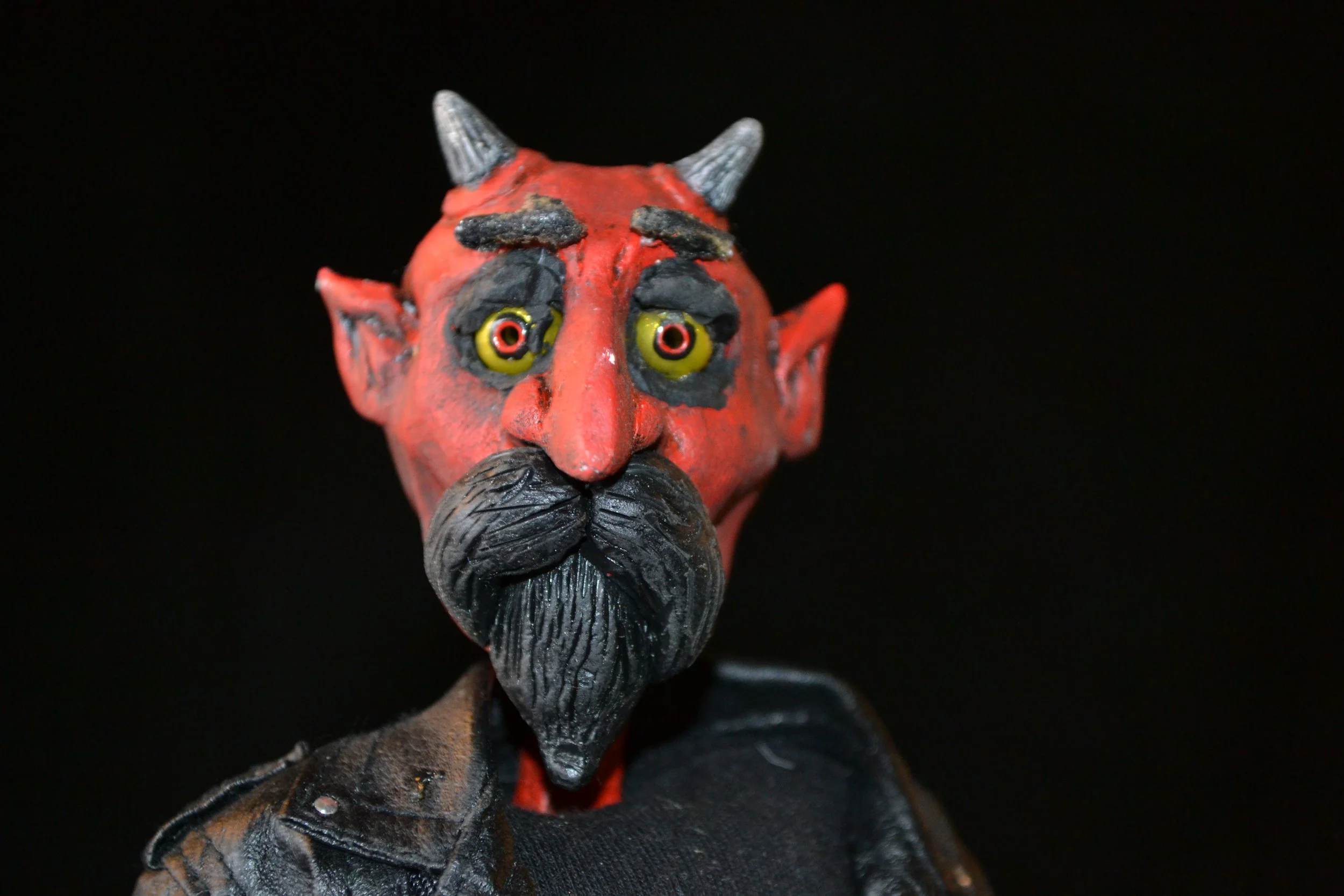
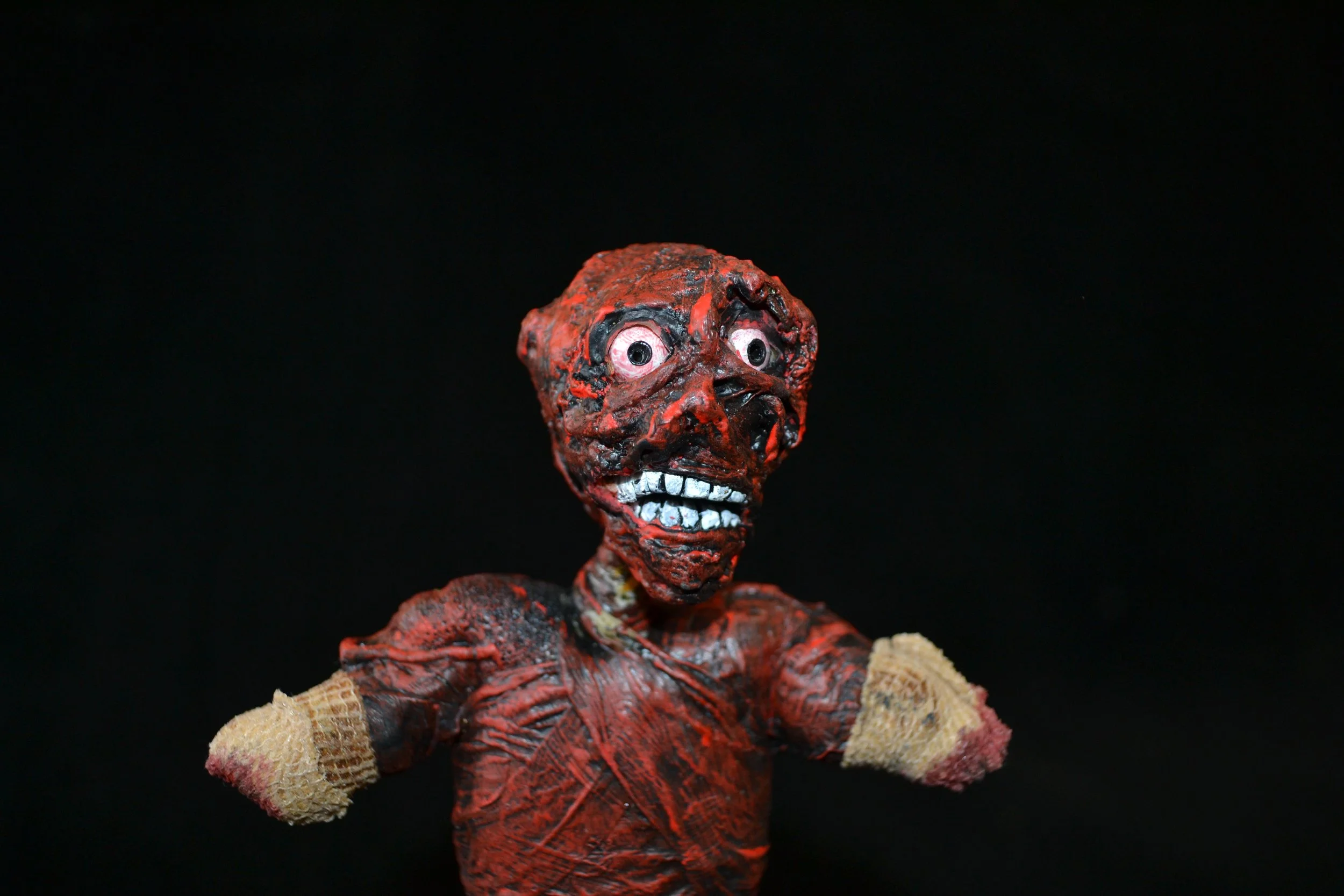
Bringing a puppet to life takes a mix of patience, creativity, and a little bit of mess. Each one starts as a rough idea (maybe a sketch or two), but from there, it’s all hands-on. Their skeletons—wire armatures—give them movement, while foam, epoxy, and liquid latex bulk them out. Faces? That’s where the magic happens. Whether it’s sculpted heads with hinged jaws, replacement mouths, or good old plastalina clay for subtle expressions, every puppet gets its own personality. Of course, making puppets isn’t always smooth sailing—bulking out bodies can be a sticky ordeal—but with a few tricks, like pre-making parts in bulk and crafting swappable mouths for speech, these little actors are ready to hit their marks!
How They're Made